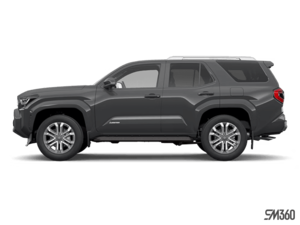
How Much Gear Fits Behind the 2026 Toyota 4Runner’s Front Seats?
September 10 2026,
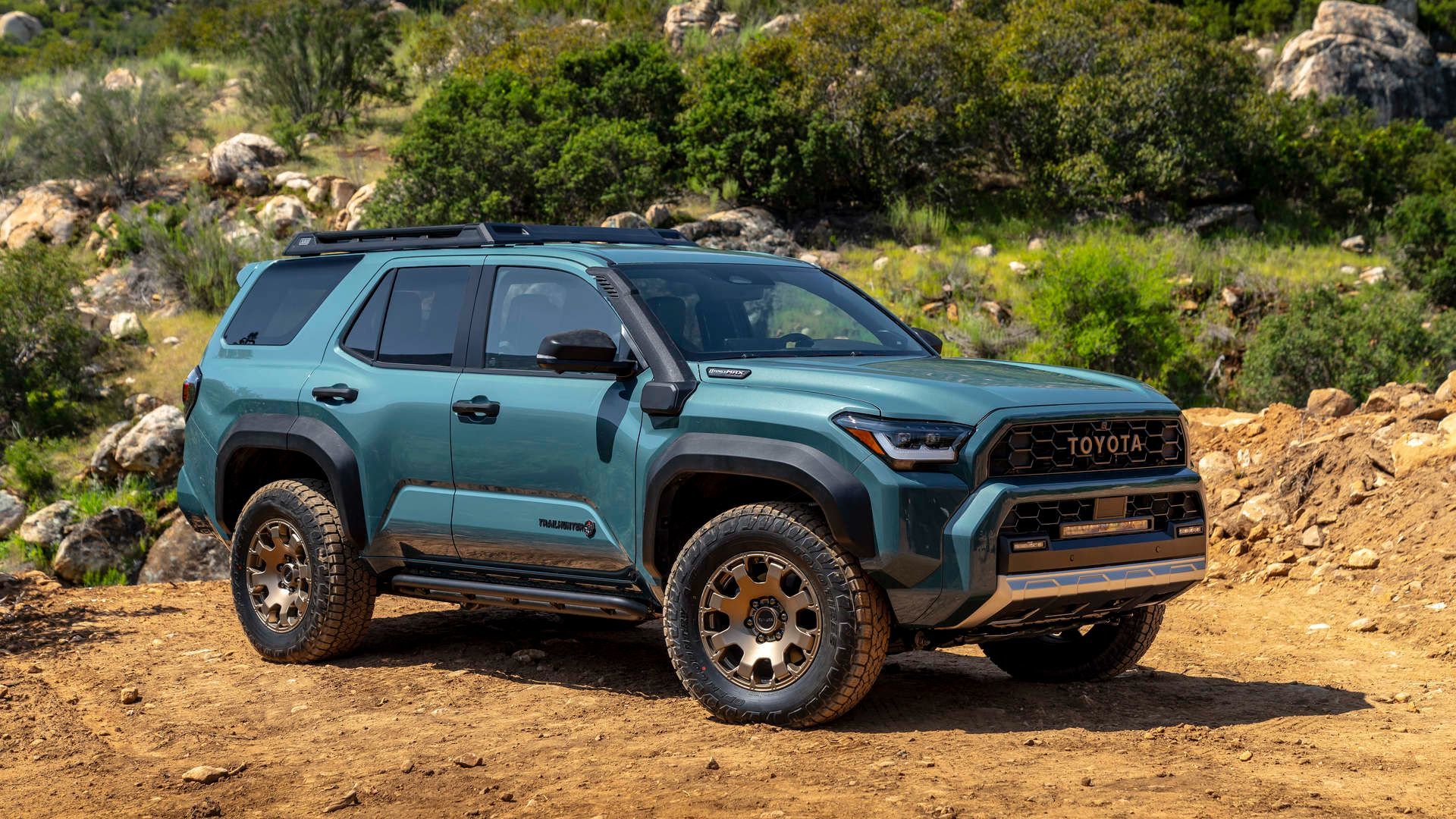
Packing for a weekend at the cottage or a hockey tournament trip raises the same question every time: will the gear actually fit? The 2026 Toyota 4Runner comes in two very different cabin shapes, and knowing how each one loads makes the difference between a tidy trip and a game of cargo Tetris.
What Counts as the 4Runner’s Loading Area?
The usable loading area is the space available once the rear seats are folded flat or the vehicle is configured with the second or third row cleared for cargo. On the two-row 4Runner, that means everything behind the front seats. On the three-row models, it means the space behind the second row, or behind the third row when all seats stay up for passengers.
Cabin shape changes what that number means in practice. A tall rear opening and a flat floor let boxes stack cleanly, while a narrower seatback pocket can eat into usable width even when the litre figure looks generous on paper.
How Much Room Does the Two-Row Hybrid Platinum Offer?
The five-seat Hybrid Platinum with Fixed Running Board holds 1,206 L behind the rear seats. Fold those seats down and the space opens to 2,339 L behind the front row, enough for long items like lumber, kayaks, or a folded tent frame laid flat.
This two-row layout suits gear-first trips. Without a third row to work around, the floor runs in one flat plane from the tailgate to the front seatbacks, which helps with bulky or irregularly shaped items that would otherwise need to be wedged between seat hinges.
What Changes With the Three-Row SR5 and Limited?
The seven-passenger SR5 and Limited trims hold 1,269 L behind the second row, and 343 L behind the third row when all seven seats are in use. That gap matters: fold the third row down for a gear run, and cargo space jumps by roughly 900 L. Keep it up for a family trip, and the trunk shrinks to a space suited to duffel bags and grocery runs rather than camping gear.
This is the trade-off a three-row 4Runner asks a buyer to make. It is not the maximum-cargo choice, it is the flexible-seating choice, useful for a family that regularly needs a seventh seat but only occasionally needs full cargo depth.
What Kind of Gear Fits Best in Each Layout?
Camping supplies, sports equipment, suitcases, and boxed household goods all pack differently depending on shape:
- Long items (tent poles, skis, lumber): work best in the two-row Hybrid Platinum’s flat 2,339 L floor, or in a three-row model with the third row folded.
- Tall items (coolers, totes, hockey bags standing upright): fit well behind either second row, since roof height stays consistent across trims.
- Bulky, irregular items (bikes, strollers): benefit from a flat floor without a seatback ridge, favouring the two-row layout or a folded third row.
- Boxed household items: stack cleanly against the flat sidewalls of the cargo area regardless of configuration, as long as the load stays below the window line.
How Does Interior Trim Affect Real Packing Space?
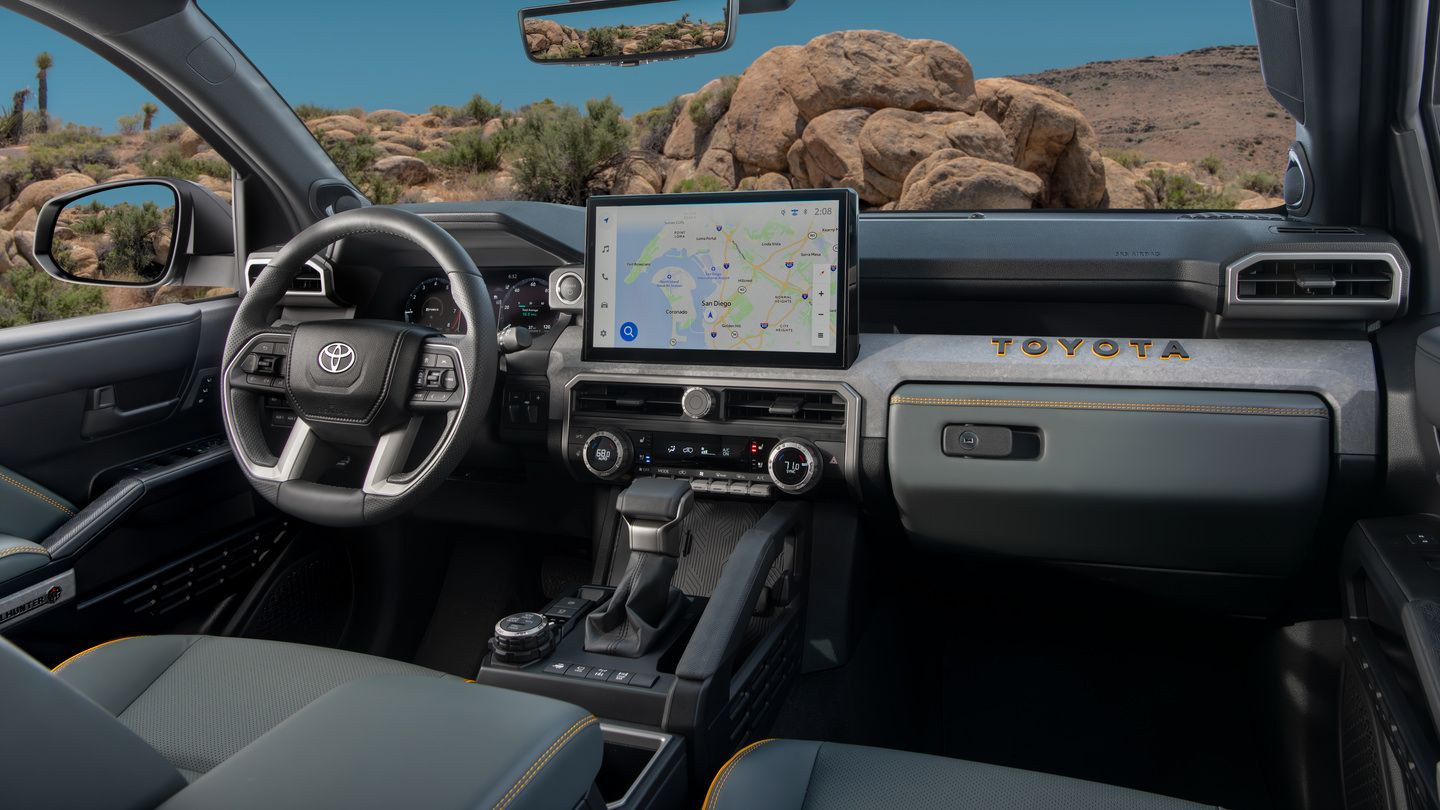
A published litre figure describes the empty box, not how gear sits inside it. Seatback padding, plastic trim panels, and the shape of the rear opening all take up a few centimetres of usable width that a spec sheet does not show. Folding the second or third row flat, rather than leaving it reclined, keeps the floor level and prevents gear from sliding into the gap behind the seatback.
The rear opening itself is wide and low across every 4Runner grade, which helps when loading long or heavy items without lifting them over a high sill.
What Should Nova Scotia Drivers Know About Securing Gear?
Rural and coastal routes in Nova Scotia often mean gravel shoulders, frost heaves, and uneven pavement. Loose gear that shifts on a smooth highway can become a real hazard on rougher stretches, so tying down anything heavier than a soft duffel bag matters more here than on a flat urban commute.
The Limited grade includes a cargo net and tonneau cover as standard equipment, both of which help keep gear in place and out of sight without altering the vehicle’s core layout. Neither accessory changes the cargo floor’s shape, they simply organize what is already there.
Quick Answers: Two-Row vs Three-Row Cargo
|
Spec |
Hybrid Platinum (2-row) |
SR5 / Limited (3-row) |
|
Seating |
5 |
7 |
|
Cargo behind rear seats |
1,206 L |
1,269 L (2nd row) / 343 L (3rd row up) |
|
Cargo behind front seats |
2,339 L |
2,381 L |
|
Payload |
1,195 lbs (542 kg) |
1,230 lbs (558 kg) |
Which Layout Fits Your Trips?
A two-row 4Runner like the Hybrid Platinum makes sense for drivers whose trips are gear-heavy and passenger-light: hauling camping equipment, sports gear, or building supplies without needing a seventh seat.
A three-row SR5 or Limited makes more sense for a household that regularly carries five to seven people and only needs full cargo depth on occasion, since folding the third row recovers most of the difference in cargo volume when needed.
Finding the Right 4Runner Configuration
The 2026 4Runner’s cargo answer depends less on a single number and more on how a household actually splits its trips between people and gear. Two-row and three-row layouts solve different packing problems, and both carry the same durable body-on-frame platform underneath.
Visit Amherst Toyota in Amherst to sit inside both cabin layouts and test-fit your own gear before deciding which 2026 4Runner configuration fits your routine.